
Bel Air North Previous Resident Sources
Past residents of Bel Air North leave several kinds of dated evidence behind. Land records supply the legal chain of ownership. Telephone and criss-cross directories tie an address to a subscriber in a given year. Newspapers and obituaries add a dated narrative. Census schedules place a household inside a wider enumeration geography. The best starting point depends on the period you care about. None of these sources works as a complete or current household list, so treat each one as a layer to compare rather than a final answer about past residents of a Bel Air North property.
| Source | Verified years | Where held | What it can show |
|---|---|---|---|
| Harford land records and indexes | 1773-present; CE115 indexes 1773-1959 | Clerk, MDLandRec, and Maryland State Archives | Grantor, grantee, instrument, book/page, and legal description; not a direct address index. |
| C&P Harford telephone directories | 1936-1947 | Library and archival references | Subscriber, address, phone, business, and exchange clues; yearly completeness needs checking. |
| LOC Harford telephone reel | September 1960 through September 1962 | Library of Congress online | White and yellow pages with locality headings and subscriber or business listings. |
| Harford criss-cross directories | 1966-1996 | Library of Congress inventory or requested volumes | Address-to-subscriber bridge; exact annual volumes and fields need confirmation. |
| Aegis & Intelligencer | 1864-1923 | Chronicling America and local microfilm | Notices, obituaries, land sales, businesses, and social items; OCR can miss results. |
| County permits | 1988-present | Harford DILP, ePermit, or a focused request | Work, inspection, and certificate evidence; incorporated-town building files differ. |
| Estate index | 1998-present online | Register of Wills, office, archives | Estate dates, parties, and docket clues; the underlying file may be needed. |
Start with the newest reliable parcel record when the address is known. For an earlier period, pick a directory or newspaper year close to your question first. Then test the name against the deed and parcel trail. The Maryland State Archives Harford guide serves as the fallback whenever the online index or image path runs out.
Note: Save the record date, page or image, locality heading, and address spelling before linking any past residents to a property.
Bel Air North Previous Resident Dates
The deed reference on an SDAT property card is the fastest bridge from a modern parcel back to a prior transfer. Maryland SDAT Real Property Data Search accepts Harford County paired with an address, street name, account identifier, or map reference. The property card can show the premises address, mailing address, deed liber and folio, and legal description. It also lists map, grid, and parcel numbers, plus subdivision and sale references. One limit matters here. SDAT does not search Harford records by owner name, town, neighborhood, subdivision, or ZIP.
Copy the deed reference and legal description exactly as written. A street address is convenient. But older deeds may identify the property by lot, plat, acreage, road description, or subdivision name instead. The legal description is the stronger continuity check when several past residents share a name. It also holds up when a postal address has changed over time. Remember that a mailing address is just tax correspondence information. It may differ from the property location. The MDLandRec access page is the official entry point for the current online land-record route.
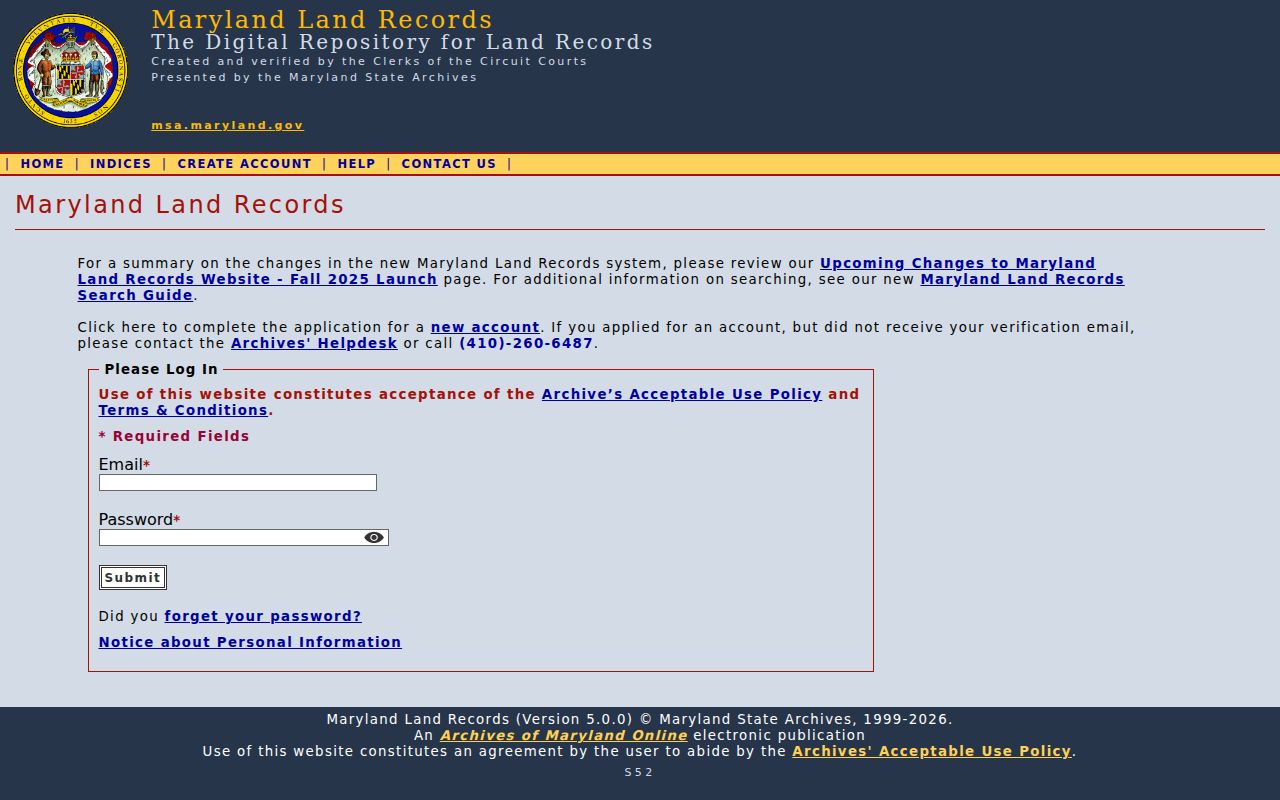
MDLandRec searches by Harford County, party name, instrument, and book and page rather than by a dependable address. Write down the portal version and your access date, since accounts and access arrangements can change without notice.
Tracing Bel Air North Previous Owners
A deed chain tracks the legal interests attached to one parcel. In any acquisition deed, the buyer is the grantee. The seller is the grantor. To move backward, find the current buyer's acquisition deed first. Then hunt that same seller as a grantee in an earlier purchase. Match the legal description, plat or lot, acreage, related names, and dates at every step, because a name match alone can join the wrong parcel. It can send the trail astray.
- Find the full situs address in SDAT and save the account, deed reference, legal description, subdivision or lot, and prior-sale references.
- Select Harford County in MDLandRec and use Jump to Book/Page when the SDAT liber and folio are readable.
- Read the instrument type, grantor, grantee, recording date, consideration or type, and legal description.
- Search the seller as a grantee in an earlier deed, trying the official match modes and date ranges when spelling or suffixes vary.
- When the online route stops, move to CE115, related archive indexes, courthouse books or microfilm, and Historical Society research.
The Harford Circuit Clerk Land Records page is the official source for recording, copies, plats, and counter or mail access to the county's land records.
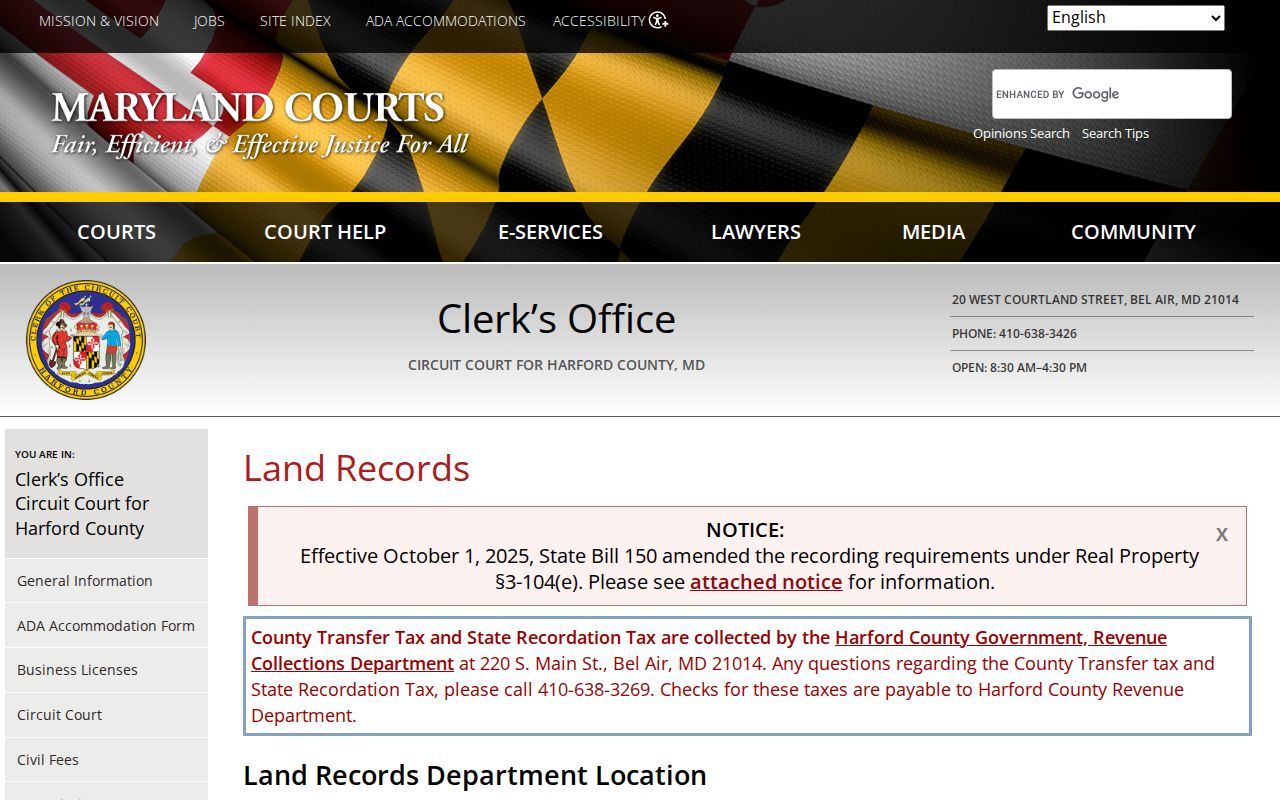
The clerk holds Harford land records from 1773 to the present. The office does not perform title searches or give legal opinions. Copies, certifications, and plat services each carry their own current rules, so confirm those details directly before requesting a document.
- Grantor and grantee
- The grantor transfers an interest in a recorded instrument. The grantee receives it. Their roles are more useful than a bare name when moving through a deed chain.
- Chain of title
- A dated sequence of recorded transfers for the same legal parcel. It must be tested against the legal description, not guessed from an address alone.
- Liber and folio
- Maryland land-record terms for the book and page reference. They provide a precise route into the land-record index.
- Legal description
- The recorded land description, often using lot, plat, acreage, or boundaries. It bridges a modern street address to older instruments.
Bel Air North Deed Index Continuity
Harford's long history makes the index level matter. The clerk reports land records beginning in 1773. The State Archives guide identifies CE115 electronic land-record indexes covering 1773 through 1959. Related paper and microfilm series exist as well. MDLandRec's search aid describes later Harford electronic-data transitions around 1992 and 2003 as well. Those dates mark series and access changes, nothing more. They do not prove that every historical deed image is available online.
Older instruments may describe a property by road name, rural direction, or legal description. They may not use the current postal address at all. The name Bel Air can mean the Town, Bel Air North, Bel Air South, or simply a postal city. Compare the deed date against a plat, county map, old newspaper, and the current standardized address. That check comes before deciding two references describe the same house.
Note: A land-record conclusion should state its basis, such as an index entry, a viewed image, a certified copy, or a secondary abstract.
Bel Air North Past Households
Legal owners and past residents are not always the same people. For the household layer, pair each address clue with the nearest directory and census date. The county telephone and criss-cross runs are strong local bridges. A C&P Harford directory trail is verified for 1936 through 1947. A Library of Congress reel covers September 1960 to September 1962. The Library of Congress inventory lists Harford criss-cross directories for 1966 through 1996. Treat any subscriber as a dated clue. It is not proof of every person at the address.
- Start with the precise address, older spelling, house number, road name, or rural-route notation from the parcel or deed.
- Check the telephone or criss-cross volume closest to the target year and record its page, exchange, locality heading, and whether the listing is individual, household, business, or institutional.
- Search the Aegis or another dated local source for the surname, road, land sale, estate notice, obituary, or legal notice.
- Pair the result with the nearest released federal census, keeping its broader enumeration geography as corroboration rather than an exact CDP label.
- Use a deed or estate file to test the names and close the period with a later directory or obituary when supported.
The Harford County Public Library local-history page leads to the Maryland Room, the Harford Heritage Digital Archives, a bulletin index, and genealogy resources for tracing past residents of Bel Air North.
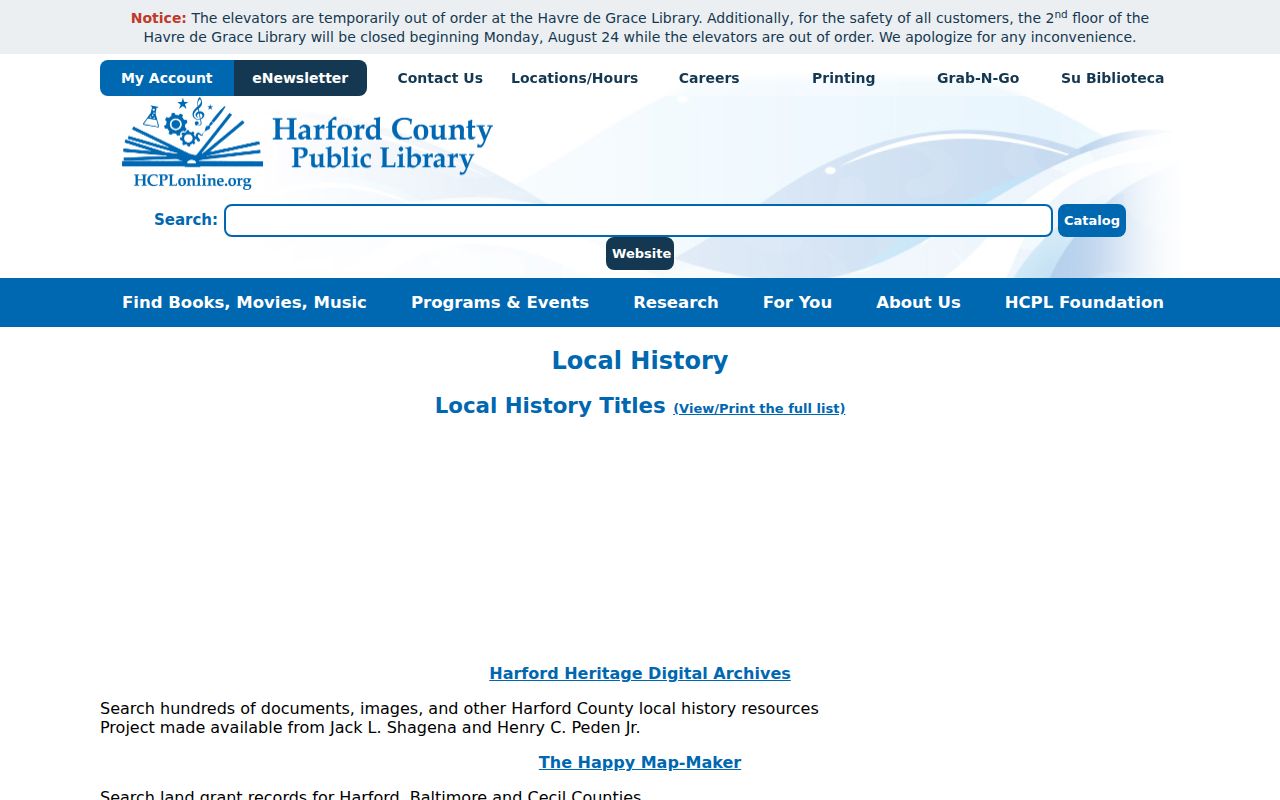
Libraries fill the gaps an online residents directory leaves behind. At the Bel Air Branch, public computers open restricted FamilySearch images. The Maryland Room adds local books and microfilm. It also holds maps, oral histories, and catalog records on request. Those dated address-to-household links give the deed trail something to be tested against. See the Bel Air North city directory page for a fuller account of the collections.
Bel Air North Previous Resident Stories
Digitized newspapers carry the strongest narrative for tracing past residents of Bel Air North. The Aegis & Intelligencer run covers Bel Air issues from 1864 through 1923. Pair a surname with road-name variants. Try estate notices, land sales, and marriage announcements too. A hit can surface a date, a relationship, or a historical address clue. No deed index expresses that kind of detail. Treat the stories carefully. Newspaper narrative is never title evidence. Confirm any property link against the legal description, the deed, the parcel, or the estate file.
Two more leads help. The Maryland State Archives holds a record for the Bel Air Times. That weekly ran from 1881 to 1941. The Historical Society PastPerfect catalog offers later obituary and family clues. If no obituary turns up, call it a gap. A name vanishing from a city directory proves nothing by itself. It does not establish a death, a move, or a vacancy.
Bel Air North House History Records
Building records add a second timeline beside the people and the deeds. An unincorporated Bel Air North address may have county permit files reaching back to 1988. Those files can hold applications, plans, inspections, certificates, or code records. What appears depends on retention and exemptions. Requests work best with a complete address, a parcel or account number, the subdivision, and a permit number. A date range helps too. Inside the incorporated Town of Bel Air, building files follow a separate town route. The county’s online permit search starts at the Harford ePermit Center.
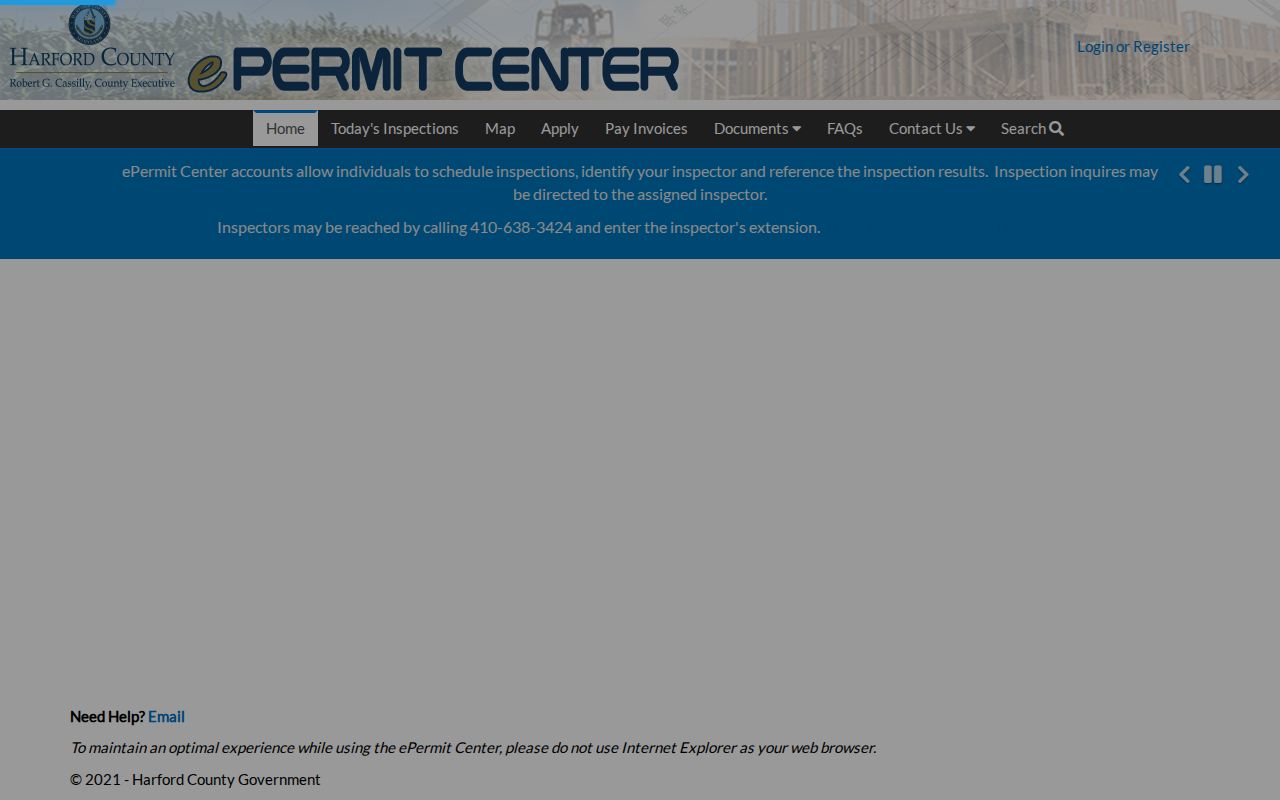
When portal results run dry, a county permit-record request can reach the surviving address-specific file. A narrow MPIA request can reach it too. The 1897 Sanborn map cited in the Maryland Historical Trust survey offers another lead near the older town core. It does not map all of Bel Air North, though. A building footprint there proves no name. Occupancy of the parcel still needs its own evidence.
Bel Air North Previous Resident Limits
No residents directory can list every person who ever lived at an address. Parcel, deed, permit, and historical city directory records omit plenty. They skip utility customers, DMV addresses, and unlisted phone subscribers. Household rosters stay incomplete. The owner of record may not be the subscriber or even a resident. Old addresses get reused or described differently over time. That invites mistakes.
Estate records can pin a name to a date. The public Estate Search index runs from 1998 to the present. The full file may need a request, though, and can carry restricted portions. A protected voter address or a Safe at Home record must stay protected. Work with the public evidence that answers the family or house history question. Never try to rebuild suppressed information about past residents of Bel Air North.
Note: Keep every past resident tied to the source date, and never turn historic evidence into a claim about a living person today.